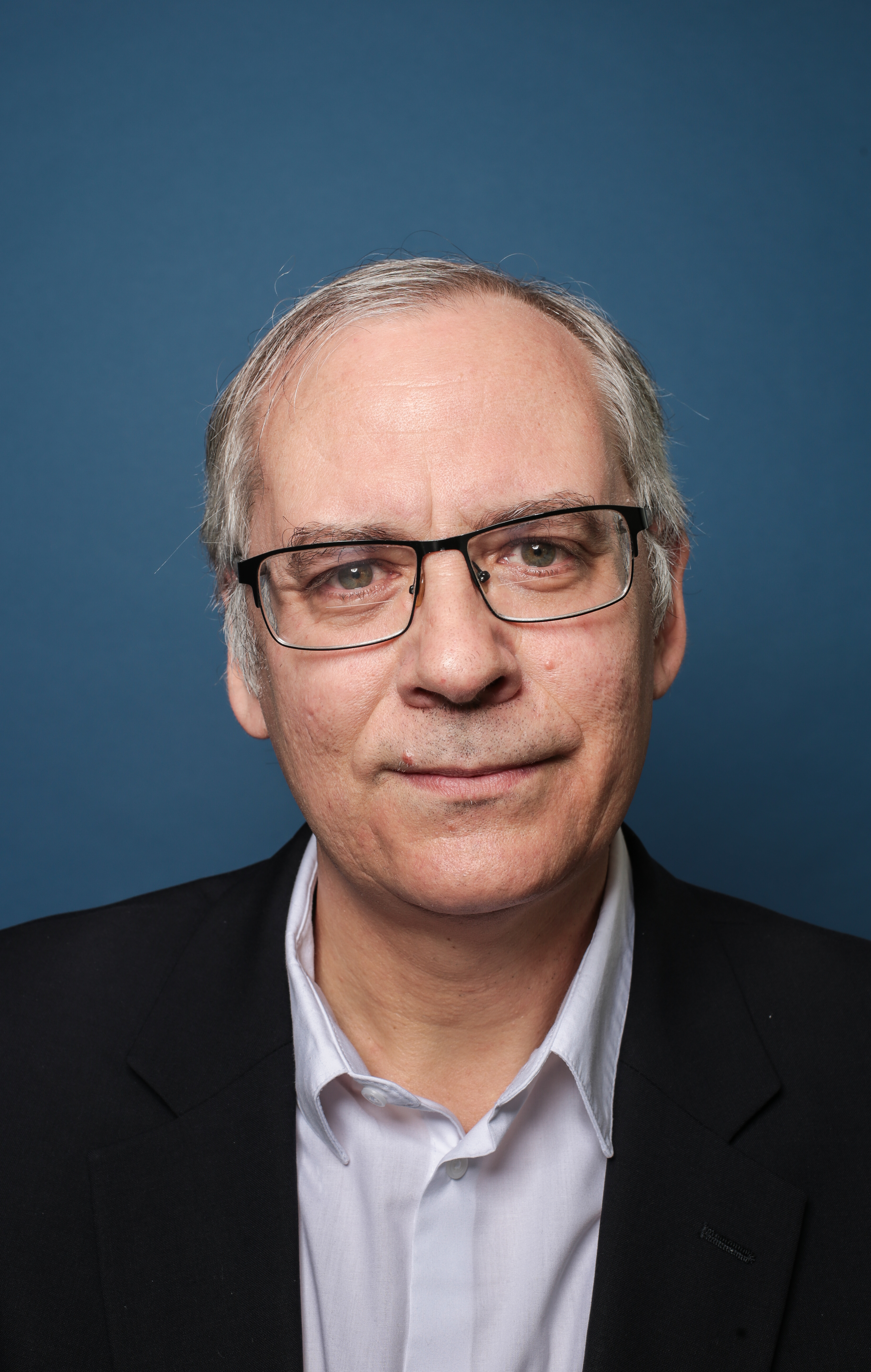
Dr. Martín Besfamille visited the IAAEU from December 12 to 21, 2024. He is an Associate Professor at the Instituto de Economía in Pontificia Universidad Católica de Chile and a research fellow at CESifo. Dr. Besfamille's main areas of research are fiscal federalism and decentralisation, the avoidance of legal restrictions and tax evasion.
During his stay at the IAAEU, Martín Besfamille and Laszlo Goerke worked on a joint project they commenced some years ago when visiting CESifo in Munich and continued during a visit by Laszlo Goerke in Santiago de Chile early in 2024. The starting point is the insight that many government agencies pursue particular objectives but ignore the impact on the market interventions by other agencies. The tax administration, for example, attempts to reduce tax avoidance by firms, while labour inspectorates ensure adherence to labour regulations. However, stricter enforcement of one set of obligations, such as tax laws, may alter the incentives of businesses to adhere to other rules. The joint project aims to analyse the relationship between the behaviour of two such agencies in the context of an oligopolistic model à la Cournot.
We will surely report on the progress of the joint research project once the collaborators have completed the first draft of the envisaged paper.